Augmented Reality Layers Reshaping Audience Involvement in Specialized Game Broadcasts
Blake Russell · Oct 31, 2026
Augmented Reality Layers Reshaping Audience Involvement in Specialized Game Broadcasts
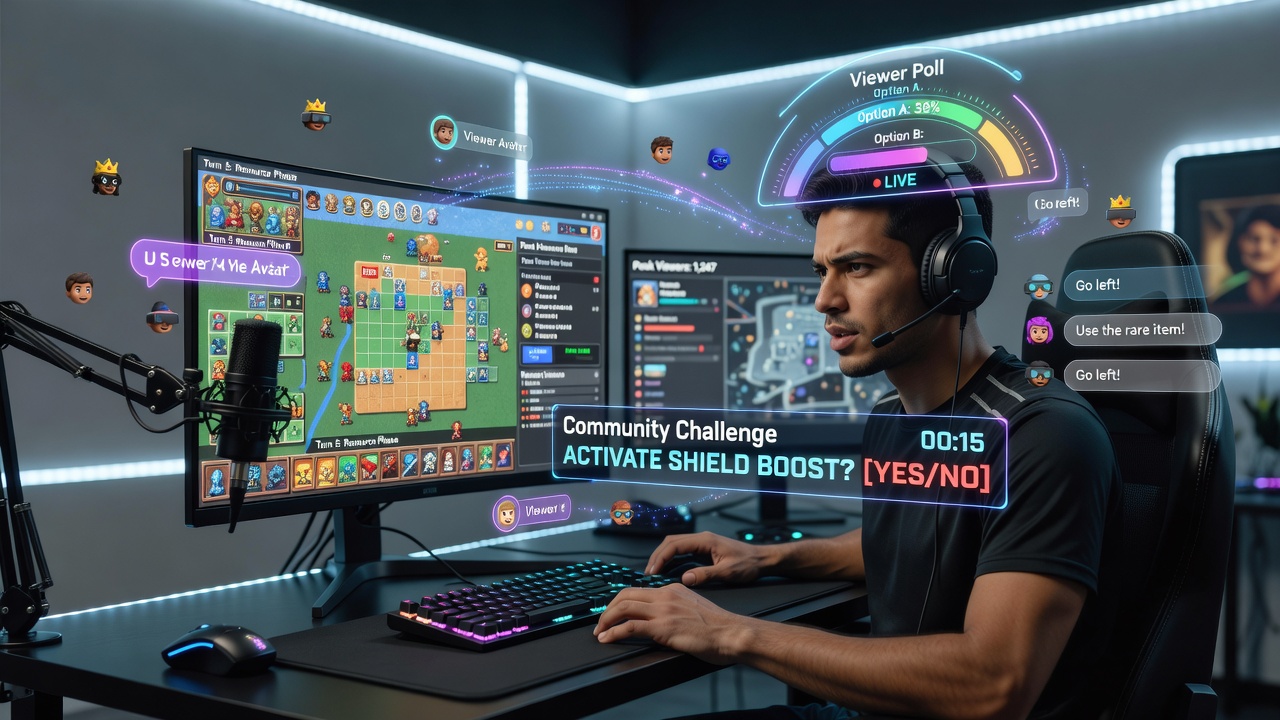
Augmented reality overlays have begun altering how audiences engage with niche game streams by allowing real-time additions of interactive elements directly onto broadcast footage; these layers enable viewers to place virtual objects, vote on in-game decisions, or visualize data statistics that sync with ongoing gameplay. Researchers at various institutions have tracked adoption rates climbing steadily since early 2025, with October 2026 figures from industry reports indicating that over 35 percent of specialized streams now incorporate some form of AR integration for participation features.
Core Mechanisms Behind AR Integration
Developers build these systems around computer vision algorithms that detect stream elements and map virtual assets onto them without disrupting the original feed; platforms supporting this technology process viewer inputs through APIs that trigger immediate overlay updates visible to everyone watching. Data from multiple studies shows that such setups reduce latency in interactive responses to under 200 milliseconds in optimized environments, which helps maintain the flow of fast-paced niche titles like indie strategy games or simulation experiences.
Engineers often combine AR with existing streaming software to handle synchronization across devices, whereas older methods relied solely on static graphics that offered limited viewer input options. Observers note that this shift creates pathways for deeper involvement because participants can influence visual elements collectively rather than through text chat alone.
Viewer Participation Patterns in Niche Communities
Niche game streams attract dedicated groups focused on specific genres, and AR overlays expand their options by letting users contribute custom models or annotations that appear live; one documented case involved a community around retro-inspired platformers where viewers added temporary obstacles that streamers navigated in real time. Figures reveal participation metrics rising by 28 percent on average when these tools activate compared to standard broadcast formats.
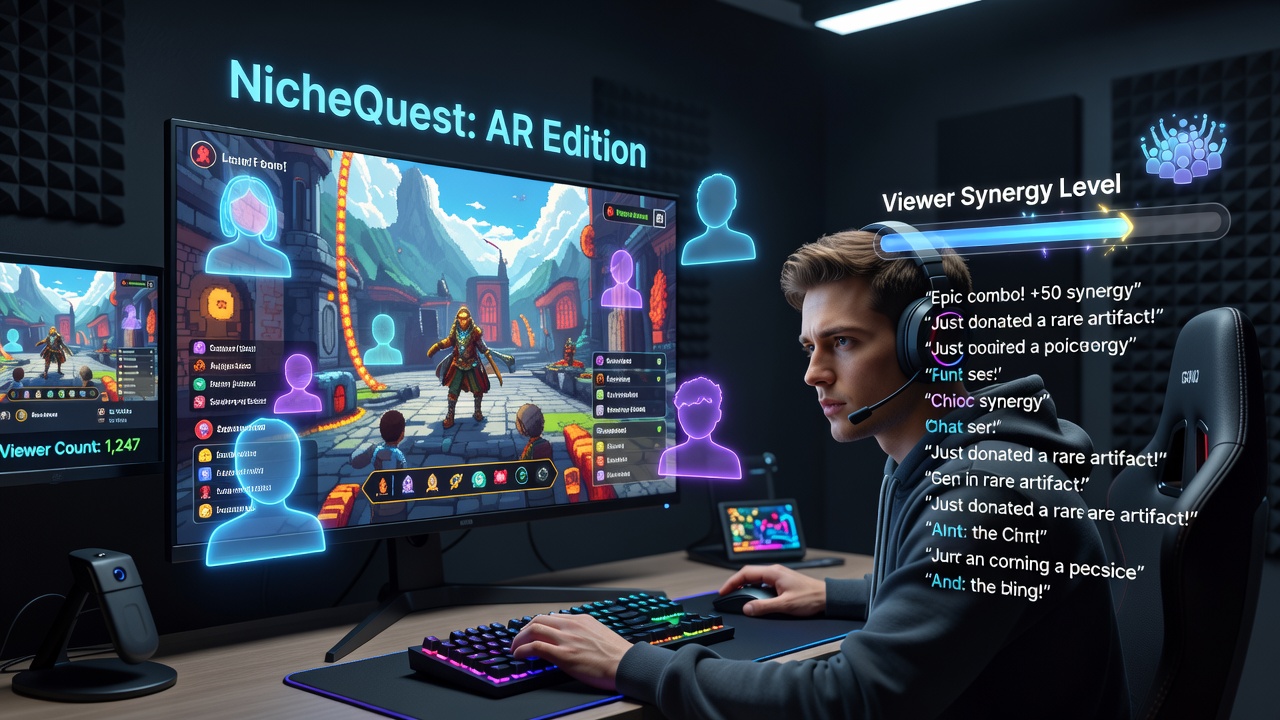
Those who've studied viewer behavior indicate that AR features encourage repeat engagement because the shared visual space fosters collaboration; in October 2026 updates from gaming technology conferences highlighted sessions where analysts presented data on how overlay voting systems boosted average watch times across targeted titles. Viewers access controls through companion apps or browser extensions that feed commands directly into the stream pipeline, creating a unified experience without requiring hardware upgrades on the audience side.
Technical Implementations and Compatibility
Compatibility across hardware remains a focus for developers who test AR layers on both high-end capture cards and consumer webcams to ensure broad accessibility; software frameworks handle scaling of virtual assets so they align properly regardless of stream resolution. Research indicates successful integration in environments using open-source tools alongside proprietary engines, which allows smaller creators in niche spaces to adopt the technology without major investments.
But here's the thing: synchronization protocols must account for variable internet conditions that can affect overlay timing, so teams implement buffering techniques that preserve interaction quality. A report from the International Game Developers Association outlines protocols that address these variables through adaptive rendering methods tested across diverse regional networks.
Data Insights and Adoption Trends
Analytics platforms tracking niche streams have recorded increased chat activity and overlay interactions when AR elements activate, with October 2026 dashboards showing peak usage during evening hours in multiple time zones. Studies from academic sources document how these tools provide measurable feedback loops that streamers use to adjust content pacing based on real viewer contributions.
Those monitoring the space point to examples where AR voting altered game outcomes in community-driven sessions, leading to unique broadcast moments that standard setups could not replicate. Another link connects to findings from the European Games Developer Federation, which details regional variations in AR uptake among specialized broadcasters.
Future Developments in Overlay Systems
Continued refinements focus on expanding AR capabilities to support multi-user layering without performance drops, while maintaining compatibility with evolving streaming standards. Observers note that integration with emerging display technologies could further extend participation options for audiences in niche gaming circles.
Conclusion
Augmented reality overlays continue to evolve as tools that connect viewers more directly with niche game content through synchronized, interactive visuals. Ongoing data collection from October 2026 onward provides clearer pictures of how these systems scale across different community sizes and technical setups, shaping participation in measurable ways.