Emotion Tracking in Live Chat Directing Adaptive Strategies for Esports Productions
Lars Vogel · Sep 19, 2026
Emotion Tracking in Live Chat Directing Adaptive Strategies for Esports Productions
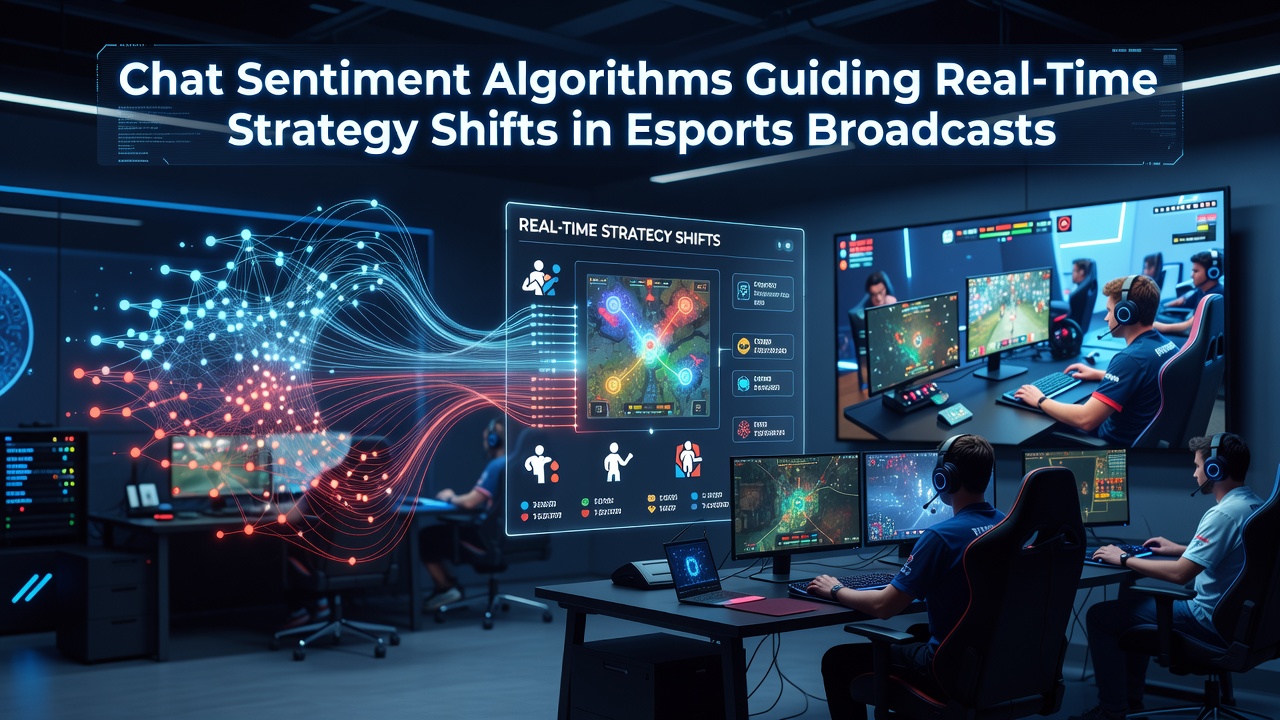
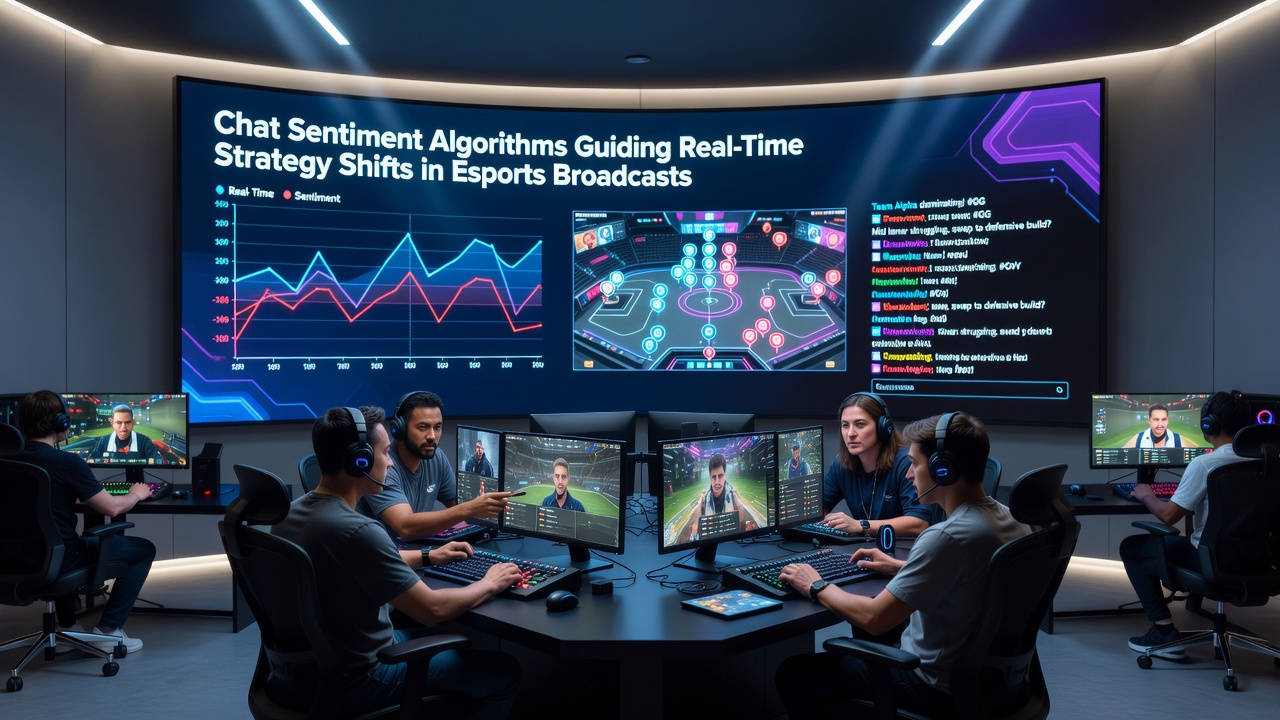
Chat sentiment algorithms process thousands of viewer messages per minute during esports events, and they convert emotional tones into actionable data points that production teams use to adjust camera angles, commentary focus, and overlay elements on the fly. These systems rely on natural language processing models trained on gaming-specific slang and emotes, which allows them to classify messages as positive, negative, or neutral within seconds of arrival.
Production crews at major tournaments integrate these outputs into decision dashboards that sit alongside traditional metrics like viewer count and drop-off rates. When negative sentiment spikes around a particular player or team, directors often shift to wider arena shots or player reaction cams to re-engage the audience. Positive surges trigger closer views of high-skill moments or extended replay segments that capitalize on rising excitement levels.
Technical Foundations of Chat Analysis Systems
Developers build these algorithms on transformer-based architectures fine-tuned with esports chat corpora collected from platforms such as Twitch and YouTube Gaming. Training data includes millions of messages timestamped against match events, which helps the models recognize context-specific patterns like frustration after a failed execute or celebration after a clutch play. Real-time inference runs on edge servers located near broadcast facilities to keep latency under 800 milliseconds from message receipt to sentiment score delivery.
Integration with broadcast software occurs through API hooks that feed sentiment scores directly into overlay engines and director consoles. Teams configure threshold triggers so that when aggregate negativity crosses a set level, automated alerts prompt manual review before any strategy shift occurs. This hybrid approach prevents false positives from isolated toxic messages while still capturing broader audience mood changes.
Case Examples from Recent Tournaments
During the September 2026 Global Esports Championship, analysts observed sentiment algorithms guiding a mid-match pivot when chat turned sharply critical of a favored team's draft decisions. The production team responded by cutting to analyst desk commentary explaining the strategic rationale, and viewer retention metrics stabilized within four minutes according to platform telemetry. Similar adjustments appeared in regional qualifiers where sentiment data prompted increased focus on underdog storylines that aligned with rising positive chatter.
One study from the University of California, Irvine tracked 47 live broadcasts across three titles and found that sentiment-guided camera switches correlated with a 12 percent average increase in concurrent chat volume compared to static broadcast plans. The research, published in the Journal of Interactive Media, noted that these shifts occurred most frequently during mid-game lulls when engagement naturally dipped.
Industry Adoption and Data Infrastructure
Organizations such as the Entertainment Software Association have documented growing investment in real-time analytics tools among North American tournament organizers, while European bodies like the European Games Developer Federation report parallel adoption rates in continental leagues. Data pipelines combine chat feeds with game-state APIs so that sentiment scores receive contextual weighting based on current match phase or player performance metrics.
Engineers at these events maintain redundant processing clusters to handle peak loads exceeding 50,000 messages per minute during finals. Backup models trained on regional dialects and language variants ensure accuracy across international audiences, and logs from these systems feed post-event reviews that refine future threshold settings.
Operational Challenges and Refinements
Noise from coordinated spam campaigns or bot activity requires constant filtering layers that isolate genuine sentiment signals. Teams address this by cross-referencing message velocity against verified user accounts adn historical participation data. Language evolution in gaming communities also demands quarterly retraining cycles to maintain model relevance as new memes adn abbreviations emerge.
Production staff receive training on interpreting aggregated scores rather than individual messages, which reduces the risk of overreacting to outliers. Documentation from events shows that refined workflows now include escalation protocols where human moderators review borderline cases before any broadcast change takes effect.
Conclusion
Chat sentiment algorithms continue to evolve alongside esports production standards, and their integration into live decision-making processes reflects broader trends in data-driven broadcasting across competitive gaming. As processing speeds increase and training datasets expand, these tools provide production teams with granular audience feedback that complements traditional viewership statistics. Ongoing collaboration between developers, tournament organizers, and academic researchers supports further refinement of the underlying models and their practical application in high-stakes environments.