Esports Commentators Refine Techniques for Cross-Platform Live Analysis
Lars Vogel · Oct 17, 2026
Esports Commentators Refine Techniques for Cross-Platform Live Analysis
Esports commentators face increasing demands when they balance live analysis across mobile and console titles at the same time, and observers note that these professionals adjust their workflows through structured preparation and technical coordination. Research from the European Esports Federation indicates that multi-platform events grew by 28 percent between 2024 and 2026, with analysts often switching between touch-based mechanics on mobile devices and controller-driven gameplay on consoles during single broadcasts. Those who study broadcast patterns report that commentators divide preparation into device-specific segments, reviewing control schemes and pacing differences hours before events begin.
Technical Coordination in Multi-Device Environments
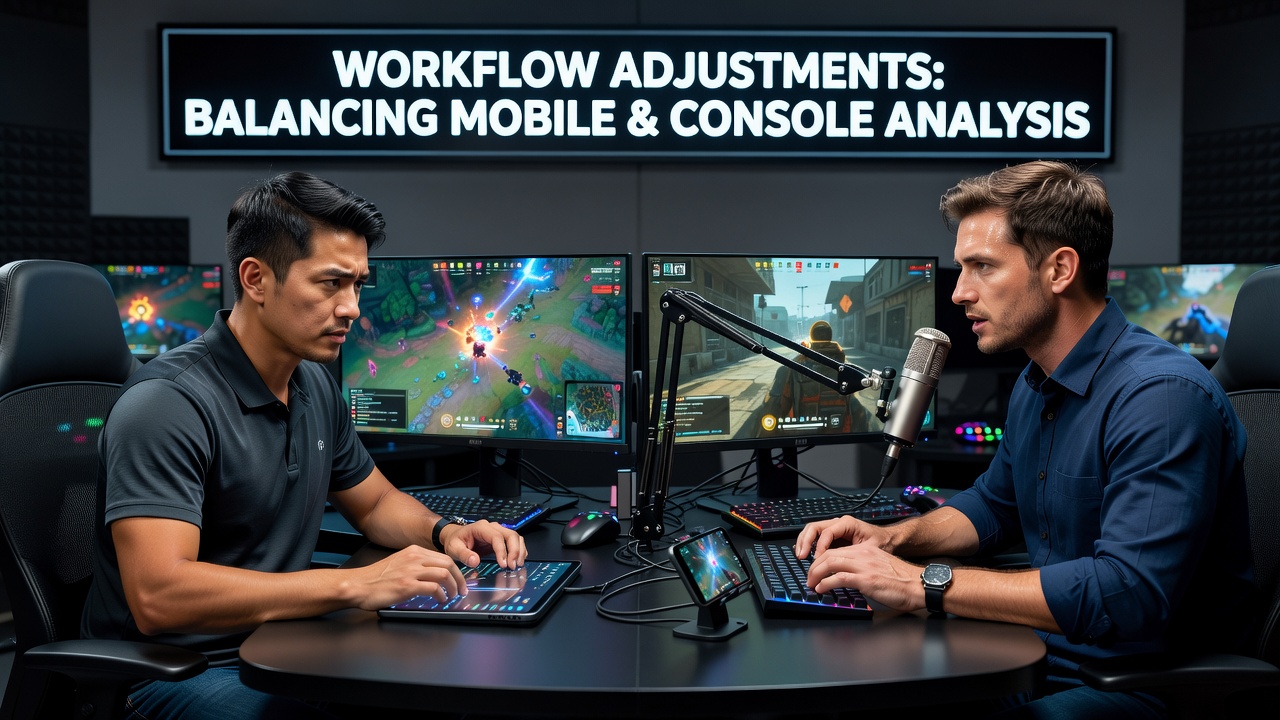
Analysts typically set up dual monitoring stations that display mobile and console feeds side by side, allowing quick visual transitions without audio interruptions. Data from industry reports shows that teams use synchronized clock systems to align match timings, since mobile matches often run shorter rounds while console titles extend into longer strategic phases. Experts have observed that commentators test latency between platforms during pre-show checks, adjusting commentary speed to match the slower visual feedback on certain mobile connections. This setup helps maintain flow when one game pauses for replays and the other continues in real time.
Adapting Analysis Styles Across Platforms
Commentators shift their language and focus points depending on the title in play, emphasizing precise movement tracking for console players while highlighting touch accuracy and quick decision trees for mobile competitors. Studies conducted at the University of Melbourne found that analysts who rehearse platform-specific terminology reduce viewer confusion during switches, with those sessions cutting misspoken terms by nearly 40 percent in simulated broadcasts. People who track commentary logs note that mobile analysis often includes more frequent updates on resource management, whereas console segments lean toward positioning and team coordination details. And yet the transitions require seamless handoffs that keep audiences engaged across both formats.
Team Roles During Simultaneous Coverage
Broadcast crews assign dedicated roles for each platform, with one analyst handling mobile insights and another covering console developments while a central host bridges the segments. Figures from the Australian Interactive Games Association reveal that such role divisions improved information accuracy in 65 percent of tested multi-title events last year. Analysts coordinate through private channels to flag upcoming transitions, allowing each person to prepare relevant statistics or player backgrounds without overlap. This division becomes especially relevant during October 2026 tournaments, where several major circuits scheduled overlapping mobile and console brackets on the same days.
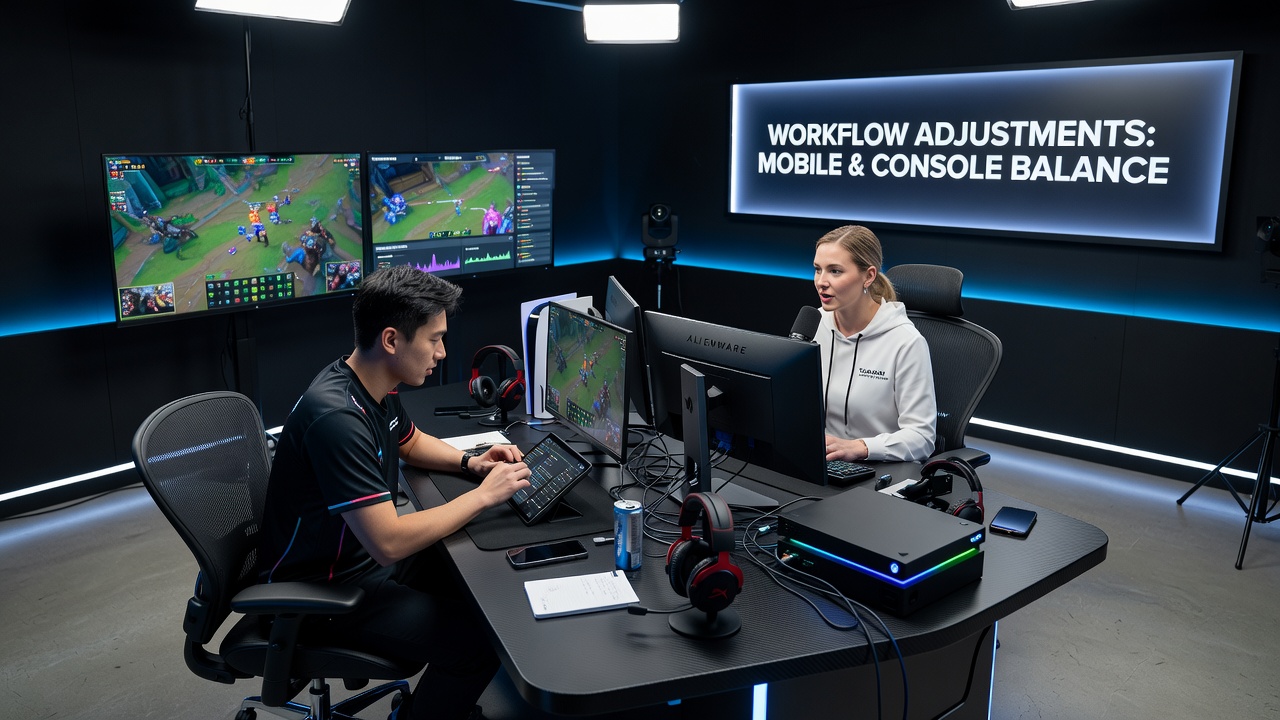
Observers note that these adjustments extend to scripting as well, with commentators maintaining separate note sheets that highlight platform-unique variables like frame rates or input lag. Teams review recordings from previous dual-platform events to identify common switch points and refine their timing cues accordingly.
Handling Viewer Engagement Across Formats
Engagement strategies also adapt, as commentators insert platform-specific calls to action that direct mobile viewers toward touch tutorials while guiding console audiences to controller settings discussions. Research indicates that integrated chat moderation teams monitor both audience segments separately to catch questions tied to each game type. Analysts often prepare short explanatory bridges that explain differences in match length or scoring systems, keeping the combined audience informed without favoring one platform. Those who've examined viewership retention data point out that clear transitions between topics help sustain attention when viewers follow multiple titles in one stream.
Conclusion
Workflow adjustments among esports commentators continue to evolve as multi-platform events expand, with preparation routines, technical setups, and role divisions forming the core of successful simultaneous coverage. Evidence from multiple regional studies shows these methods support clearer analysis and smoother broadcasts when mobile and console titles run together. Professionals in the field refine these practices through ongoing review of past events and new scheduling demands.