Tracing Esports Career Pathways: Streamers Advancing to Production Through Specialized Hardware Content and Audience Metrics
Tina Lorenz · Oct 3, 2026
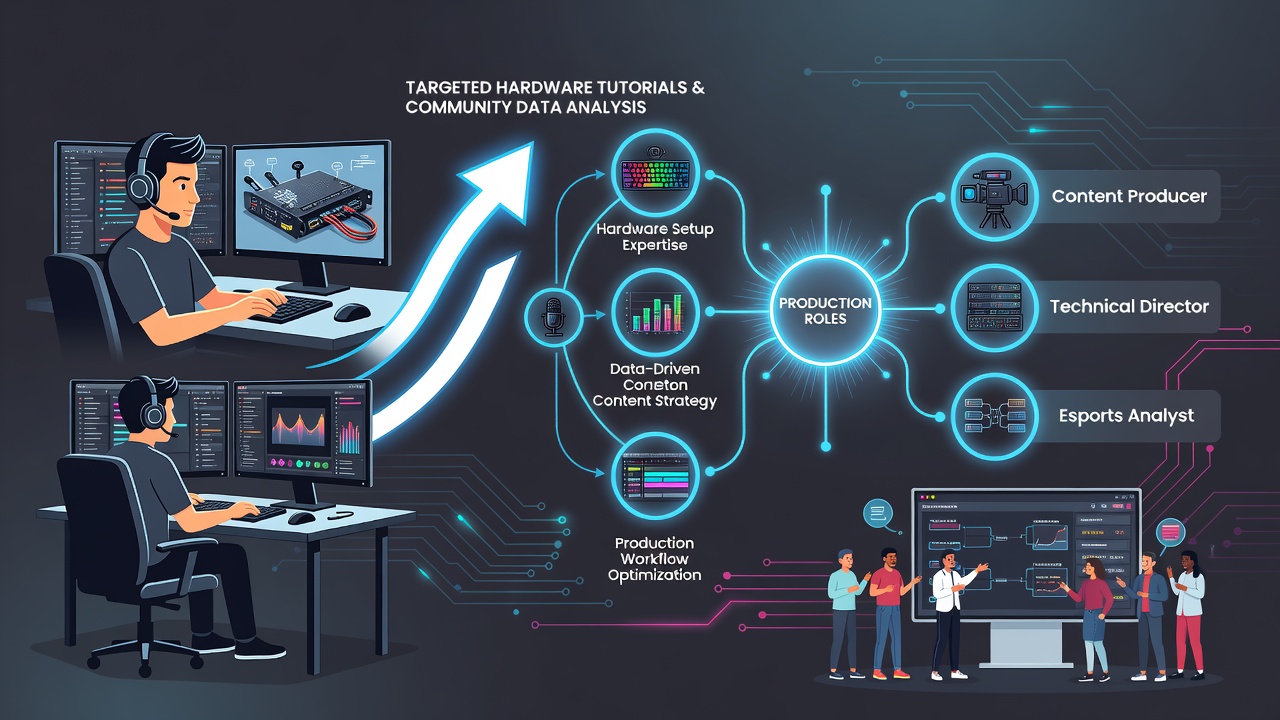
Tracing Esports Career Pathways: Streamers Advancing to Production Through Specialized Hardware Content and Audience Metrics
Esports career shifts often begin when individual streamers produce detailed hardware tutorials that demonstrate technical proficiency, while community data analysis provides the metrics needed to identify audience preferences and engagement patterns. Observers note that these combined activities create documented portfolios that production teams in tournament organizations review during hiring cycles. Data from industry reports indicates that streamers who publish regular guides on components such as GPUs, capture cards, and cooling systems accumulate measurable followings that translate into production opportunities by October 2026.
Hardware Tutorials as Entry Points
Streamers frequently develop content around hardware optimization because viewers seek practical advice on achieving stable frame rates during competitive play, and those tutorials establish credibility with both audiences and potential employers. Researchers discovered that creators who break down encoding settings in OBS Studio or compare microphone options through side-by-side tests attract viewers who later participate in community discussions about performance improvements. This process builds a record of technical communication skills that production roles require when coordinating live event feeds across multiple titles.
One analyst tracked how tutorials posted in mid-2025 correlated with increased requests for behind-the-scenes contributions at regional tournaments, showing that consistent hardware content functions as an extended resume. Those who've studied this pattern know that manufacturers sometimes sponsor such creators, which further documents relationships with equipment providers and adds weight to applications for broadcast positions.
Community Data Analysis Driving Role Transitions
Community metrics collected through chat logs, view duration reports, and poll responses allow streamers to refine their output while simultaneously generating datasets that demonstrate analytical capabilities. Figures reveal that streamers who segment their audiences by hardware interest versus gameplay focus can predict peak engagement windows and adjust upload schedules accordingly. Production teams value this evidence because live events require rapid decisions based on similar viewer behavior signals during tournament broadcasts.
According to data compiled by the Entertainment Software Association, esports viewership patterns in North America showed measurable growth in niche tutorial channels between 2024 and 2026. Streamers who applied these insights to their own channels reported higher retention rates, which in turn attracted attention from organizers seeking analysts capable of interpreting overlay data in real time.
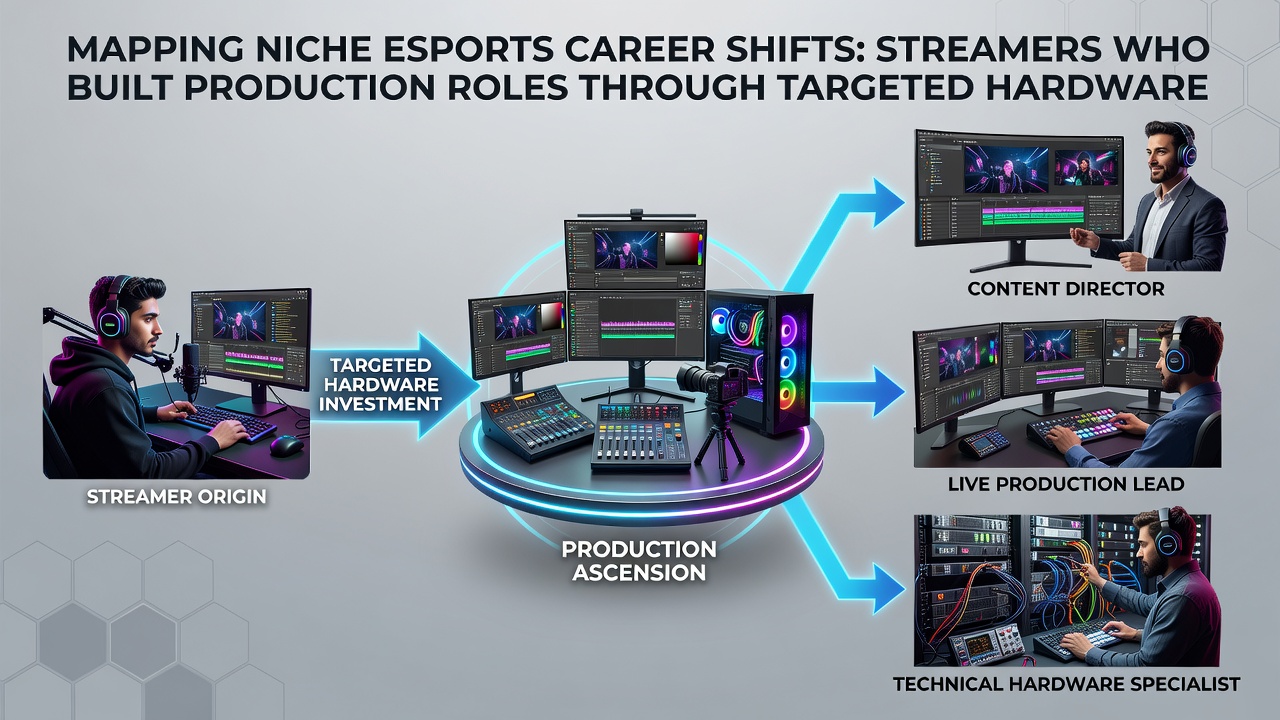
Documented Career Examples
Take one creator who began posting GPU fan curve adjustments and later contributed to overlay synchronization protocols at international events; the transition occurred after tournament staff reviewed tutorial archives that contained timestamps of viewer interaction spikes. Another case involved a streamer who compiled API integration scripts for custom alerts, then used community response data to justify modifications that reduced latency during remote mentorship sessions. Observers note that these individuals presented their work through public repositories, allowing hiring managers to verify both technical output and audience impact without additional interviews.
Research indicates that streamers who combine hardware guides with data visualization often receive offers to manage encoding workflows or coordinate analyst tools across multiple game titles. The reality is that production departments seek candidates who already understand hardware constraints and can interpret engagement statistics on short notice during high-stakes matches.
Industry Patterns Observed in 2026
By October 2026, several mid-sized esports leagues reported filling production coordinator positions with individuals whose primary public presence consisted of hardware tutorials and community analysis threads. A study published by the University of California, Irvine, highlighted how these pathways differ from traditional broadcasting routes because they emphasize verifiable technical artifacts over on-camera performance alone. Those who've examined hiring trends recognize that platforms now scan public tutorial archives when scouting for staff who can troubleshoot encoding issues live.
What's significant is that this route allows creators to demonstrate skills incrementally through published content rather than through formal applications alone. Data shows that streamers maintaining consistent tutorial schedules accumulate measurable interaction statistics that align with the analytical requirements of overlay management and alert scripting roles.
Conclusion
The documented shifts illustrate how targeted hardware tutorials paired with community data analysis create tangible pathways into esports production positions. Industry reports and academic examinations confirm that these activities generate portfolios organizations consult when staffing live events, while geographic variation in viewership patterns continues to influence which tutorial topics receive priority attention. As metrics collection tools evolve, the connection between public content creation and behind-the-scenes roles is expected to remain a measurable feature of esports career development.